
The Art of Precision Control: A New Generation of High-Performance Bushing Assemblies—Reimagining the Foundation of Driving and Ride Quality with Flexible Connections

Feb 04,2026

The Technology Research and Development Department has achieved another significant breakthrough in the field of core connecting components for chassis and suspension systems, successfully developing and validating a new-generation high-performance bushing assembly. As the “silent joint” that plays a crucial role in vehicle dynamics and ride comfort, this upgrade addresses the fundamental connection points, markedly enhancing the vehicle’s vibration isolation performance, handling precision, and noise reduction levels.

Material Knowledge in Rubber Products

Feb 04,2026
The commonly used natural rubbers for conveyor belts include: National Standard No. 1, National Standard No. 2, and Imported Grade 3. Performance characteristics: NR exhibits high elasticity at room temperature, but gradually softens upon heating. It begins to flow at 130–140°C and becomes a highly viscous fluid above 150–160°C. Decomposition starts at 200°C and accelerates rapidly at 270°C. At -70 to -72°C, however, it turns brittle and reverts to its normal state after baking.

The Invisible Guardians: How Industrial Rubber Components Quietly Underpin Modern Manufacturing

Jan 28,2026
Step into any modern factory, and you’ll see metal machinery, electronic control systems, and automated processes—but you’ll rarely notice those unassuming rubber components. Yet it’s precisely these seemingly minor parts that play an indispensable role in industrial operations. As a specialized supplier of industrial rubber components, we deeply understand the value of these “invisible guardians.”

The "Vulcanization Insight" of Precision Testing: An Introduction to Computerized Zero-Rotor Vulcanometers

Sep 30,2025

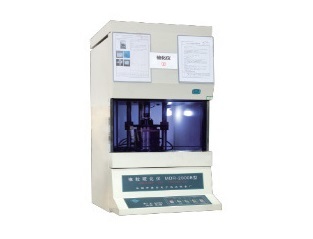
The core equipment in the field of sample testing— the computerized rotorless vulcanometer. It’s like equipping the vulcanization process with a pair of "keen eyes," using innovative design and precise monitoring to completely transform the limitations of traditional testing methods.

Rubber Compounding Process

Sep 24,2025

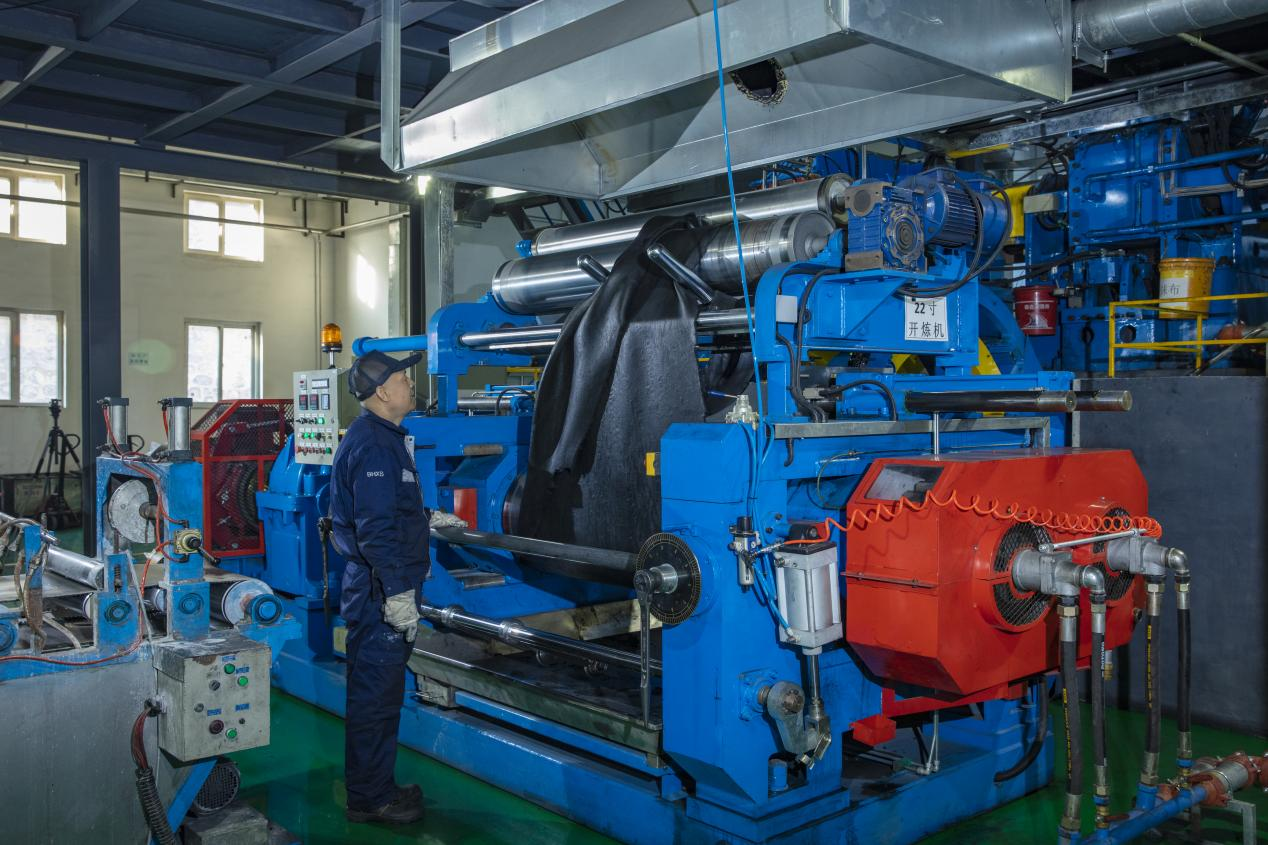
Mixing is a critical process in rubber product manufacturing, aimed at uniformly blending raw rubber with various compounding agents—such as fillers, vulcanizing agents, accelerators, and antioxidants—through mechanical shearing. This process produces a compounded rubber that meets specific performance requirements. The quality of the mixing process directly influences both the processing characteristics of the rubber compound and the final physical and mechanical properties of the finished product. This article provides a detailed introduction to the working principles and procedures of both internal mixers and open mills.

Causes and Prevention of Rubber Product Blooming

Sep 24,2025
Scorching refers to the phenomenon where compounding agents in rubber products—such as sulfur, accelerators, antioxidants, plasticizers, zinc oxide, and others—exceed their solubility limit within the base rubber. Alternatively, these agents may migrate to the surface of the product over time due to mechanisms like migration or phase separation, gradually forming a white, frost-like deposit on the material's surface.

Comprehensive control from raw materials to quality

Aug 28,2025

In the production management of rubber product enterprises, the mixing process is an indispensable part. The mixing process not only determines the physical properties of the product but also directly affects the product's competitiveness in the market. Therefore, in the mixing process, we must pay attention not only to output and quality but also strictly control multiple aspects such as raw materials, process parameters, and production procedures.

Mold Material Selection Before Mold Making

Aug 19,2025

When making molds for rubber products, the first consideration is the selection of mold raw materials. The selection of mold materials should be determined based on the product's quality, quantity, structure, etc. Mold material selection is a very important part of the entire mold making process.
< 12 > proceed page