

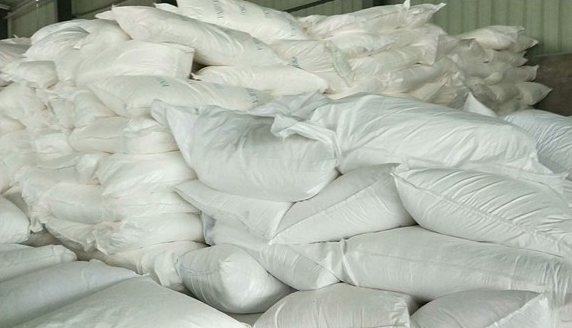
Specific application of white carbon black
Sep 05,2020
Carbon black is divided into many kinds, such as pigment carbon black, special carbon black, white carbon black, etc. Among them, white carbon black is a kind of special carbon black with white color and soft texture, which is widely used in many fields.
Silica can be used as a reinforcing agent for rubber, and its reinforcing performance is even better than that of pigment carbon black after ultrafine treatment. It is more suitable for the production of light-colored rubber.
Silica can also be used as a thickener, for oil, paint to reconcile a very important role. At the same time, it can also be used as a paint depilant, a thixotropic agent for electronic component packaging materials, a precipitating agent for fluorescent powder when fluorescent screen is coated, a filler for color printing plates, a mold release agent for casting, etc.
After the silica is added to the resin, it can improve the moisture resistance and insulation performance of the resin. Filling in plastic products, can increase the resistance to sliding and oil. Filled in silicone resin, it can be made of plastics resistant to 200°C or more.
Silica is used in the paper industry as a filler and as a surface furnish for paper. It is also used as a carrier or dispersant for pesticides and pesticides, anti-caking agents, liquid adsorbents and lubricants, etc.
In general, white carbon black is a multifunctional type of carbon black, which can emit light and heat in different fields.
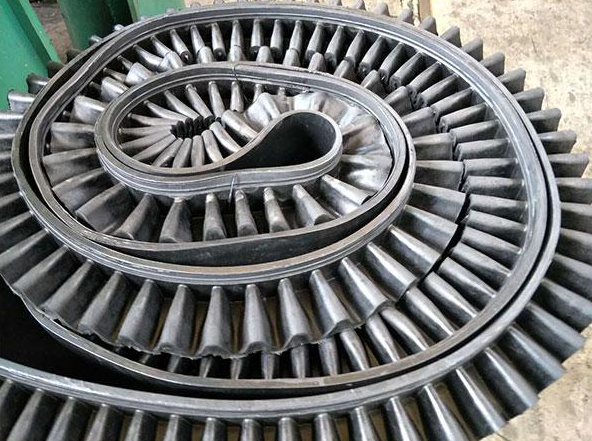
Three elements of rubber vulcanization (time, temperature and pressure)
Jul 21,2021
The three process parameters of rubber vulcanization are: temperature, time and pressure. Among them, the vulcanization temperature is the parameter that has the greatest influence on the performance of the product, and the research on the influence of the vulcanization temperature on the rubber products is also everywhere. However, the vulcanization pressure is less tested.
Aug 11,2021
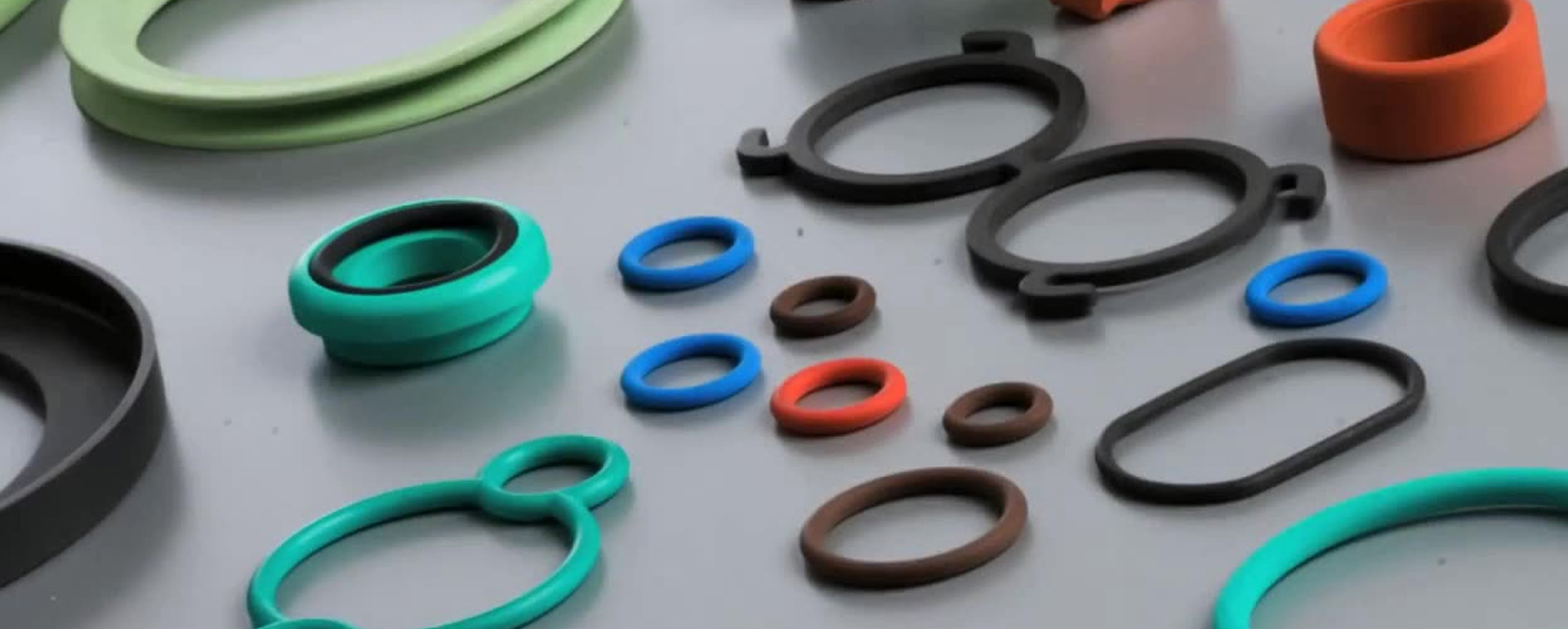
Ozone is also a very important reason for the aging and deterioration of rubber in the atmosphere. Ozone aging is first in the surface layer, especially at the stress concentration or at the interface between the particles and the rubber. Usually, a thin film is formed, and then the thin film cracks. Especially when used under dynamic conditions, the thin film is more likely to crack and expose fresh surface, making ozone aging develop in depth until it is completely destroyed.
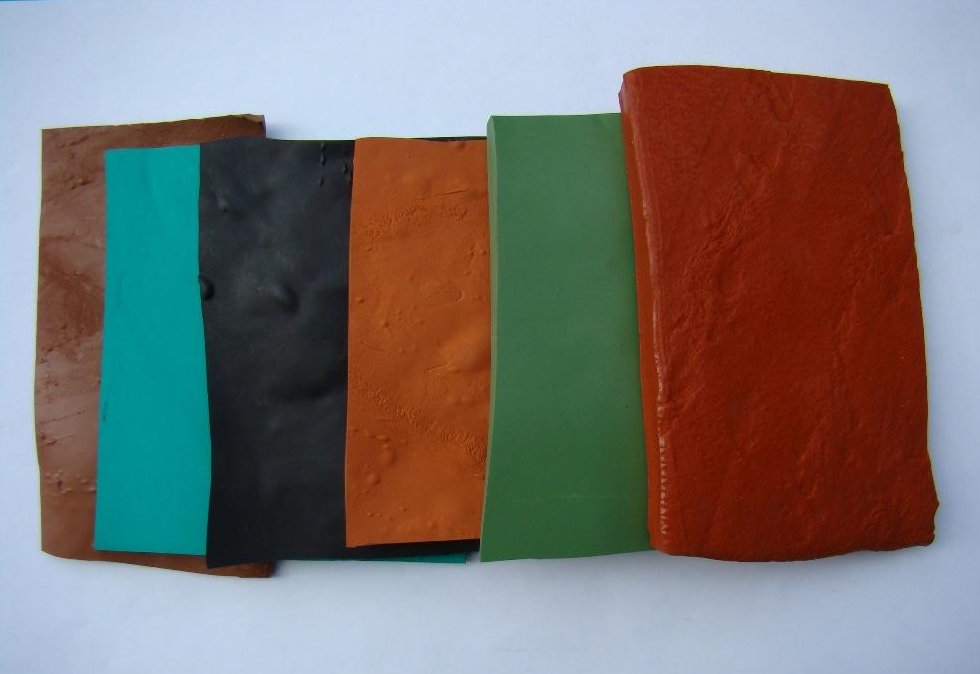
In the hot summer, is your compound "dead glue", "cooked glue" or "scorched?
Aug 11,2021
Rubber over-vulcanization: refers to the state of the rubber compound at high temperature for a long time.
Social Media

Contact Information
Address: No. 39-6-1, No. 2, Gangxing Street, Economic and Technological Development Zone, Dalian City, Liaoning Province
Telephone:0411-88035937
Fax:0411-88035937
E-mail:yudongxin@dlbhxs.com
All Rights Reserved © Dalian Bohai Rubber & Plastics Co., Ltd.
SAF Coolest v1.3.1.2 设置面板 WZOSD-ZNJE-XAASE-ZQA
无数据提示
Sorry, the current column is being updated, please look forward to it!
You can view other columns or returnHome Page